
What Is the Demand Forecast for Indian Mango in 2026?
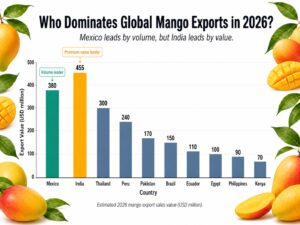
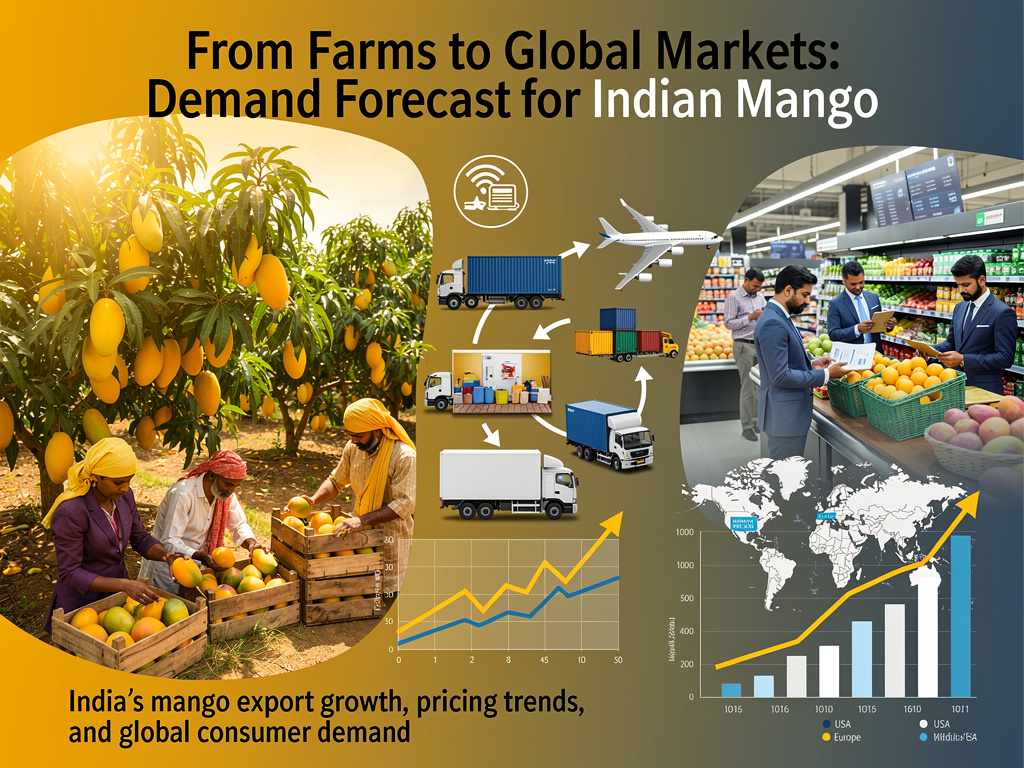
The demand for Indian mangoes in global markets is growing faster than ever in 2026. India is expected to export 65,000 to 70,000 metric tonnes of fresh mangoes this year, worth over USD 55 million. By 2030, that number is expected to cross USD 100 million in fresh mango exports alone.
When you add processed mango products like pulp, dried mango, and mango juices, India’s total mango export value already crosses USD 450 million every year. The world wants more Indian mangoes — and India is working hard to meet that demand.
At Kaybee Exports, we help international buyers source fresh, certified Indian mangoes directly from trusted orchards across India. Learn more at kaybeeexports.com.
Where Do Indian Export Mangoes Come From?
India grows mangoes across more than 2.3 million hectares in over 20 states. The main mango-growing states that supply export-quality fruit are Maharashtra, Gujarat, Uttar Pradesh, Andhra Pradesh, and Karnataka.
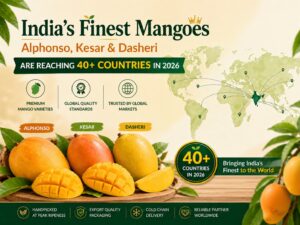
Each region produces something unique. Ratnagiri and Devgad in Maharashtra are home to the world-famous Alphonso mango—a variety so prized it carries a Geographical Indication tag protecting its authentic origin. The Gir region of Gujarat produces Kesar, known as the Queen of Mangoes, grown in a unique coastal microclimate that gives the fruit its signature deep orange color and natural sweetness.
These are not ordinary orchards. The farmers who grow export-grade Indian mangoes follow strict quality practices — from how they manage the soil and water their trees to how they harvest and handle the fruit — to meet the standards that international buyers require.
How Indian Mangoes Travel From Farm to the World
Once harvested, Indian mangoes go through a careful process before they reach buyers around the world.
Fruit is picked at exactly the right stage of ripeness, then taken to a certified pack house within a few hours of harvesting. At the pack house, each mango is sorted by size, colour, and quality. Only the best fruit makes the export grade. The mangoes are then carefully packed into export cartons with foam netting or tissue paper to protect them during transit.
After packing, the fruit is moved into pre-cooling chambers to bring the temperature down. This step is critical — it keeps the fruit fresh for much longer. From there, mangoes travel by air or sea in temperature-controlled shipments to their destination countries.
The quality of this journey — from the moment the fruit is picked to the moment it arrives at the buyer’s warehouse — determines everything. Kaybee Exports works with pack houses that maintain full cold chain standards to make sure every mango arrives in perfect condition. Visit kaybeeexports.com to know more.
Why Is Global Demand for Indian Mangoes Growing?
Several clear reasons explain why more countries are importing Indian mangoes in 2026 than ever before.
Indian Communities Abroad
Millions of Indians living in the UK, USA, UAE, Canada, and Australia grow up eating Alphonso and Kesar mangoes. Every mango season, they actively seek out authentic Indian varieties. This loyal buyer base creates strong and predictable demand in these markets year after year.
The World Is Discovering Indian Mangoes
Beyond the Indian diaspora, mainstream consumers in Europe, Japan, and North America are discovering that Indian mangoes—particularly Alphonso—taste completely different from the mangoes they find in their local supermarkets. Once someone tastes a fresh Alphonso, they come back every season.
Better Shipping and Storage
India has invested heavily in cold storage, refrigerated transport, and faster port clearance in recent years. This means Indian mangoes now arrive fresher, last longer on the shelf, and reach more distant markets than was possible even five years ago.
GI Tags Are Building Trust
Geographical Indication tags for Alphonso, Kesar, and Banganapalli act like a quality guarantee for international buyers. They tell the buyer exactly where the mango comes from and ensure it is the real thing—not a cheap imitation. This trust is driving premium pricing and repeat orders from buyers worldwide.
New Markets Are Opening Up
Countries like Japan, South Korea, and Australia are importing Indian mangoes in growing quantities. Japan in particular has a strong culture of premium gifting fruit, and Indian Alphonso mangoes are finding their place in high-end Japanese stores alongside the country’s famous domestic fruit gifts.
Which Countries Are Buying the Most Indian Mangoes in 2026?
The biggest markets for Indian mangoes right now are the UAE, the United Kingdom, the United States, Saudi Arabia, Germany, the Netherlands, Bahrain, Qatar, Bangladesh, and Nepal.
The Middle East — particularly the UAE and Saudi Arabia — is the largest market by volume. Over 50% of India’s fresh mango exports go to this region every year. The large Indian community in these countries keeps demand strong through the entire mango season.
The United Kingdom is the most valuable market in the West. Premium Alphonso mangoes sell for £4 to £8 each in British supermarkets during the April to June season. Indian mango exports to the UK have been growing steadily year on year.
The United States is the fastest-growing market in 2026. Indian mango imports in the USA crossed 1,500 metric tons this year for the first time. This number is expected to grow significantly over the next four years as more Americans discover the exceptional taste of Indian mangoes.
Japan and Australia are the exciting new markets to watch. Both countries are importing more Indian mangoes than ever before, attracted by the flavor, the authenticity, and the story behind varieties like Alphonso and Kesar.
What Does the Future Look Like for Indian Mango Exports?
The outlook is very positive. India’s mango export value is expected to grow by 10 to 12% every year through 2030. Fresh mango export earnings are projected to reach USD 90 to 110 million by the end of the decade.
The main things driving this growth are better cold chain infrastructure across India, more countries being approved to receive Indian mangoes, stronger branding of GI-tagged varieties, and trade agreements between India and major importing countries that are making it easier and cheaper to export.
For international buyers, this is the right time to start sourcing Indian mangoes directly. The quality is exceptional, the supply is becoming more reliable every year, and the demand from end consumers is only going in one direction—upward.
If you are looking to import fresh Indian mangoes, Kaybee Exports is here to help. We source directly from certified orchards and make the process simple for international buyers. Reach out to us at kaybeeexports.com, and our team will get back to you quickly with everything you need to know.
Frequently Asked Questions
What is the demand forecast for Indian mango exports?
India’s fresh mango exports are projected to grow from USD 55 million in 2026 to USD 90 to 110 million by 2030. The total mango export value, including processed products, already crosses USD 450 million annually.
Which Indian mango variety is most in demand globally?
Alphonso from Ratnagiri, Maharashtra, is the most in-demand Indian mango variety worldwide, followed by Kesar from Gir, Gujarat. Both are GI-tagged and considered among the finest mangoes in the world.
Which countries buy the most Indian mangoes?
The top buyers of Indian mangoes are the UAE, UK, USA, Saudi Arabia, Germany, Netherlands, Bahrain, Qatar, Bangladesh, and Nepal. The Middle East accounts for over 50% of India’s total fresh mango exports.
Where can I buy Indian mangoes for import?
You can contact Kaybee Exports directly at kaybeeexports.com to source fresh, certified Indian mangoes. We work with trusted orchards across India and supply buyers in the Middle East, the UK, the USA, Europe, and beyond.